Ingredient guide
Creatine for Mental Performance: The Non-Stimulant Ingredient With Real Evidence Behind It
Creatine is one of the strongest non-stimulant ingredients on Discernwell: simple, widely used, evidence-led, and easier to compare by label than most nootropic-style products.
What creatine is
Creatine is one of the few focus-adjacent supplements with real substance behind it.
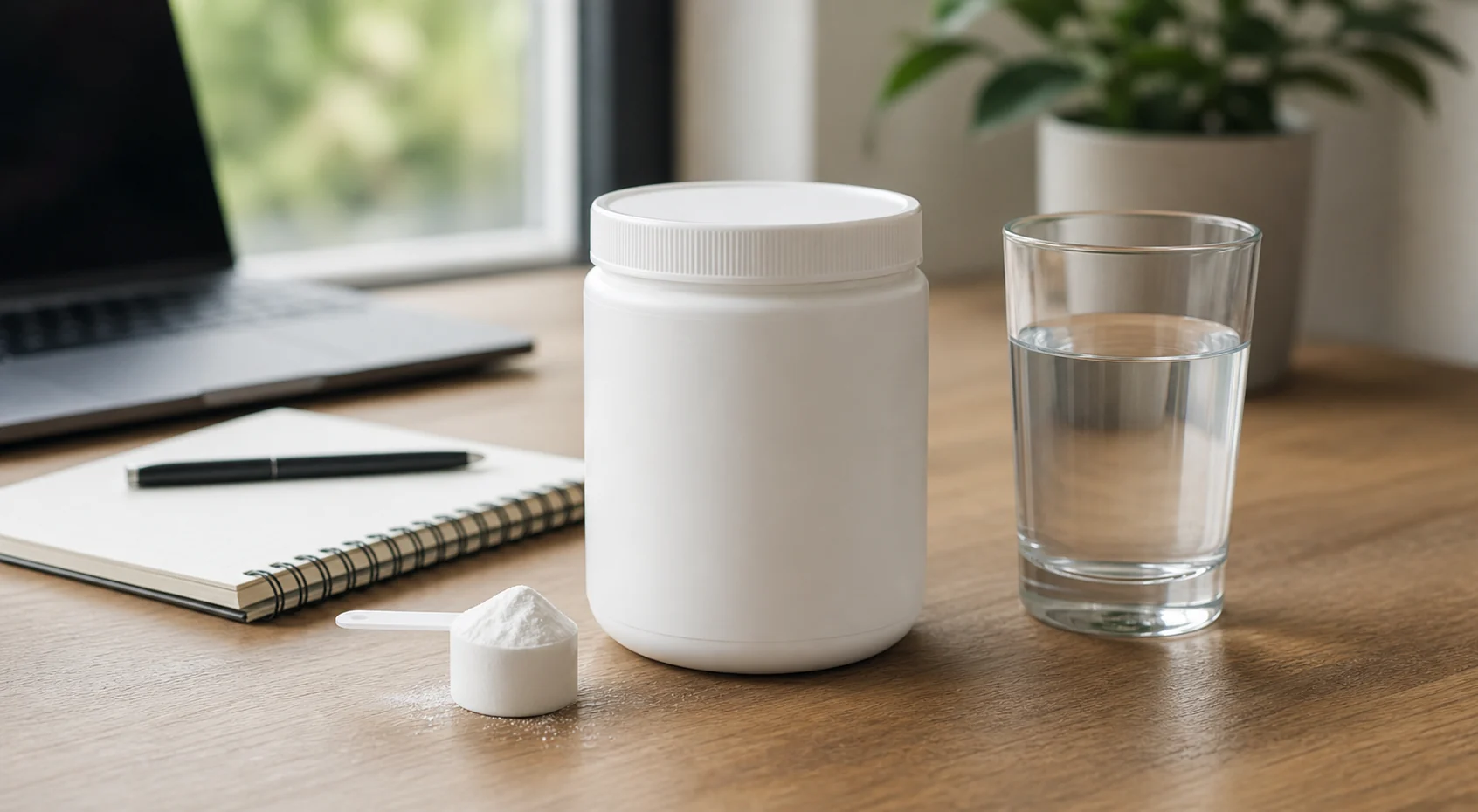
Most people know creatine from strength and sports performance, but that undersells it. Creatine helps the body store and recycle quick energy inside cells. Muscle uses that system heavily, which is why creatine is so well known in training. The brain is also energy-hungry, which makes creatine one of the most credible non-stimulant ingredients to understand for mental energy and performance support.
For Discernwell, creatine belongs near the front of the ingredient map. It is simple, widely used, easy to compare by label, and backed by a stronger evidence base than most products sold as nootropic or focus supplements.
Why it may matter for brain energy
Mental performance depends on energy.
Attention, memory, processing speed, problem-solving, and demanding work all place energy demands on the brain. Creatine is involved in the phosphocreatine system, which helps cells regenerate quick energy. That makes it relevant for people who want to understand focus support beyond stimulation.
The clean beginner takeaway: creatine is one of the most credible non-stimulant ingredients to compare for mental energy, cognitive demand, and performance consistency.
That is the reason it deserves more attention than many trendier nootropic ingredients.
What it may help with
Creatine is one of the first non-stimulant ingredients worth researching if you care about mental performance.
The strongest public reputation for creatine comes from sports performance, but the mental-performance case is increasingly interesting. It is especially relevant when the question is cognitive demand, sleep pressure, fatigue context, or maintaining performance without simply adding more caffeine.
Creatine has more real substance behind it than most focus supplements.
- Non-stimulant mental-performance support.
- Demanding work, study, or training periods.
- Mental energy when sleep, stress, or workload pressure matters.
- A simpler ingredient with stronger evidence than most nootropic blends.
- A supplement category where label clarity is easier to evaluate.
How quickly it may work
Creatine is best understood as a longer-horizon performance-support ingredient.
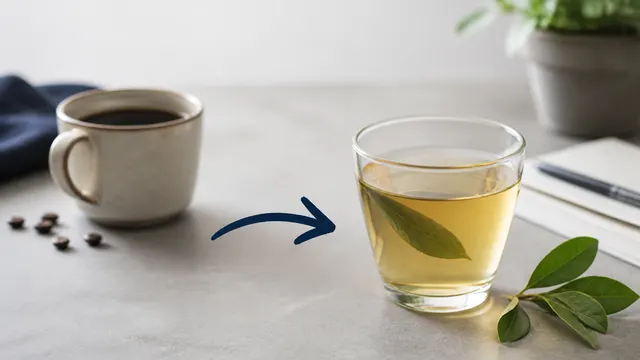
Caffeine is a fast alertness tool. Creatine sits in a different, more foundational category. It is usually evaluated through regular use and overall support rather than a short-lived lift.
That makes creatine attractive for people who want something more serious than a quick stimulant effect. It is about comparing a non-stimulant ingredient with a strong evidence base and a practical product market.
For readers building a more durable focus-support routine, creatine deserves to be near the top of the list.
Practical use cases
Creatine is most interesting when the goal is performance support without relying on more caffeine.
It may fit readers who want a simple, non-stimulant ingredient that is easier to understand than complex nootropic blends. It also fits people who want a supplement category where product comparison can be grounded in clear facts: ingredient form, serving size, testing signals, value, and label transparency.
This is where creatine is commercially strong: the product category is simple enough to compare honestly.
- Comparing non-stimulant focus-support options.
- Supporting demanding work or study periods.
- Building a simple supplement routine around evidence-backed ingredients.
- Choosing something more credible than vague brain booster blends.
- Comparing focus support without adding more caffeine.
- Looking for a product category that is easier to evaluate by label.
Who it may suit
Creatine may suit readers who want a non-stimulant, evidence-backed ingredient before exploring weaker nootropic categories.
If Discernwell ranks ingredients by evidence, seriousness, and product-market clarity, creatine belongs near the front.
- Want mental-performance support without more caffeine.
- Prefer simple single-ingredient supplements.
- Are skeptical of hypey brain booster formulas.
- Want a supplement with serious evidence behind it.
- Care about performance during demanding periods.
- Want products that can be compared clearly by label.
Creatine vs caffeine and L-Theanine + Caffeine
Creatine, caffeine, and L-Theanine + Caffeine each serve a different performance role.
Caffeine is the fast alertness route.
L-Theanine + Caffeine is the smoother-caffeine route.
Creatine is the non-stimulant performance-support route.
That makes creatine especially useful for readers who want to build beyond short-term stimulation and compare an ingredient with stronger evidence than most nootropic-style products.
A simple decision map: for fast alertness, start with caffeine timing; for smoother caffeine, compare L-Theanine + Caffeine; for non-stimulant performance support, put creatine near the top of the list.
- L-Theanine + Caffeine
Read this first if caffeine already helps but feels too sharp or jittery.
- Caffeine Alternatives
Compare lower-stimulation paths before treating creatine as a direct caffeine replacement.
Taking Creatine safely
Creatine has a stronger safety and research profile than many focus-adjacent supplements, especially compared with complex stimulant blends or vague nootropic formulas. The practical safety questions are still worth checking, especially if kidney disease, kidney-related monitoring, medication use, pregnancy or breastfeeding, medical conditions, persistent symptoms, or major health changes are part of the decision.
- Look for a clear creatine form.
- Check serving size, ingredient simplicity, warning language, and value per serving.
- Avoid unnecessary stimulant blends and exaggerated brain-performance claims.
For broader context, read the Focus Supplement Safety Guide.
Evidence and sources
Evidence note
Best supported for: cognitive-performance interest and mental-energy context.
Evidence label: Limited to moderate
Creatine has one of the stronger evidence bases among focus-adjacent supplement ingredients. Physical-performance evidence is especially strong, while mental-performance evidence is promising and more credible than most nootropic-style categories, with results still depending on outcome, context, and population.
Evidence can vary by ingredient form, study population, and outcome measured. Sources are listed below so readers can check the basis for our wording.
Source checked
Sources
Sources are included so readers can check the basis for our wording. We use sources to keep claims specific and cautious; sources do not mean an ingredient or product will have predictable results.
See Editorial Standards and Methodology for how sources are used.
- Review / systematic review
Recent systematic review and meta-analysis of adult cognitive outcomes. Useful for cautious discussion because results vary by cognitive domain and population.
- Review / systematic review
Systematic review focused on healthy people. Supports cautious framing because findings were mixed across cognitive domains.
- Safety / regulatory guidance
Broad review and position stand for creatine safety and performance context. The strongest evidence base is still sports performance, not instant focus.
- Safety / regulatory guidance
Bodybuilding and Performance Enhancement Supplements
Authoritative safety context for creatine and performance supplements, including kidney-related cautions.
- Background reference
Plain-language clinical overview used for general creatine background and safety context.
Editorial process
Discernwell is written by Craig A. and source-checked against published research, supplement labels, and safety guidance where available. We do not claim medical review unless a qualified reviewer is named on the page.
Read the Editorial Standards and Methodology for more detail.